The Tea Party’s Last Stand

The legions that swept over the Republican Party in 2010 aren’t ascendant today—and they’ve scared a lot of other Republicans away.

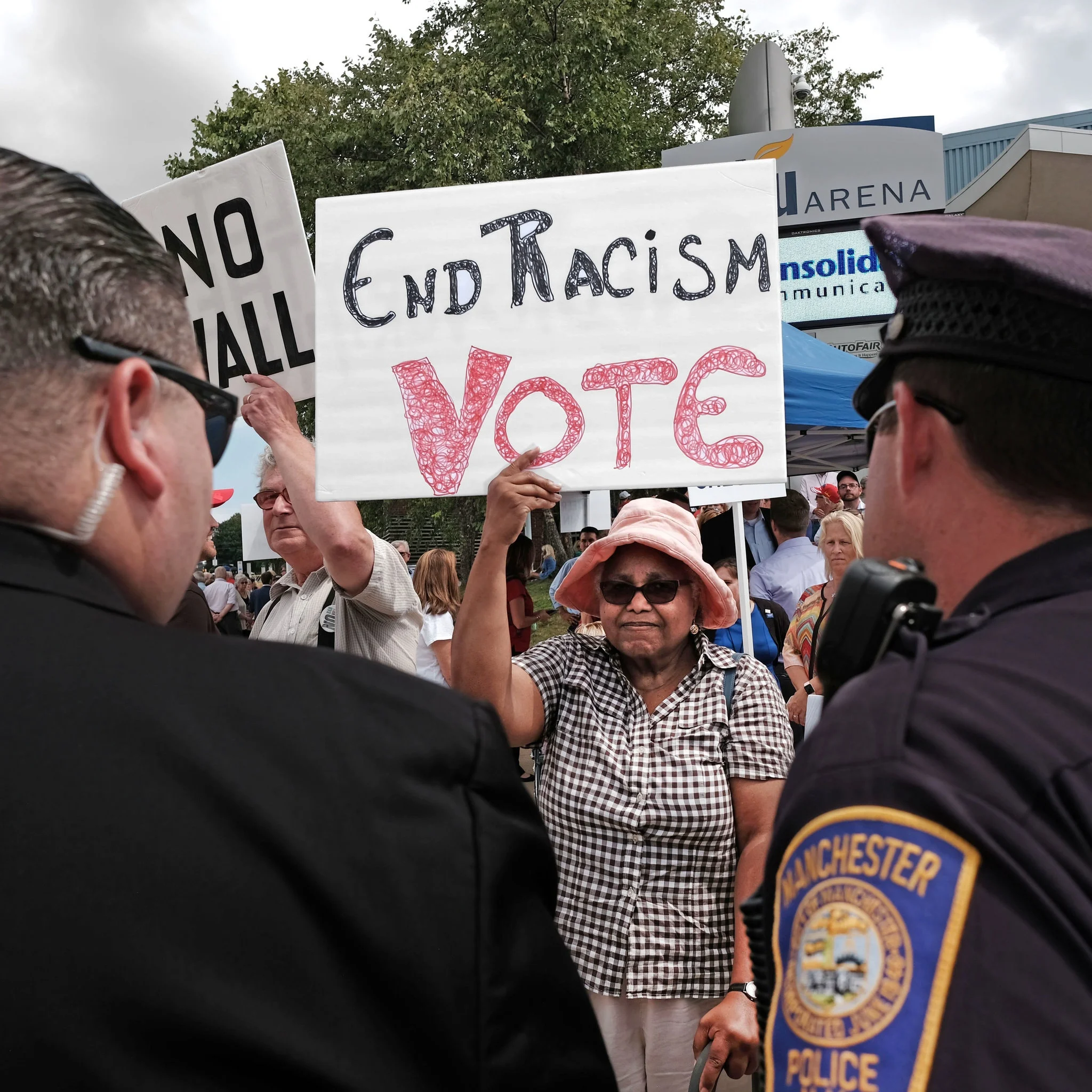
As the ranks of the protesters against the murder of George Floyd grew to hundreds of thousands in the ensuing two weeks, the country saw the face of a young, racially diverse America determined to call out the racism shaping police misconduct. But those protesters were saying so much more. They were also calling out the racism at the heart of the deadly carnage from the pandemic and racism at the heart of the economic carnage. They were calling out a profoundly unequal America.

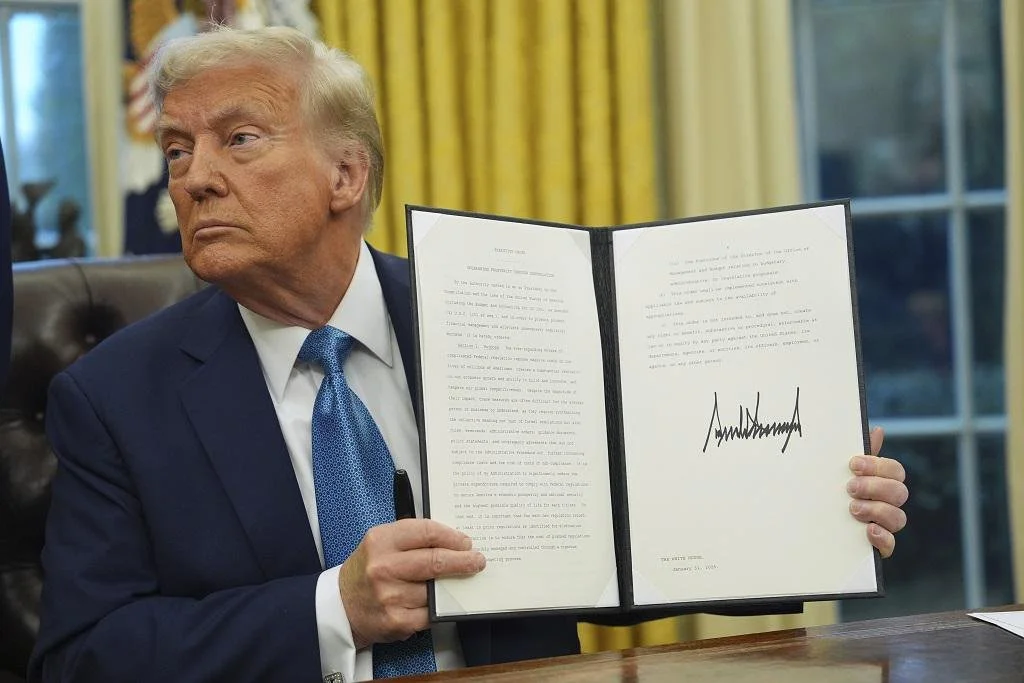
President Donald Trump was in a vengeful and dangerous mood. He was trapped in the White House, where the Secret Service sent him to a secure bunker; in return, he demanded a high fence be built around the White House compound. He demanded governors get tougher and claimed the right to use the U.S. armed forces to control domestic political protests. He told the country he was a “law and order” president and could use the “unlimited power” of the military. And on cue, his officers teargassed the peaceful protesters in Lafayette Square. An intimidating phalanx of police officers on horseback cleared the way for him to reach St. John’s Episcopal Church.

But most revealing was his tweet, “Tonight, I understand, is MAGA NIGHT AT THE WHITE HOUSE???” That was his call to his millions of followers to rally and defend his presidency.

The rallying to defend Trump was pathetic.

More than 2,000 miles from the White House, scores of residents armed with assault weapons did turn out to guard the streets of Coeur d’Alene, Idaho, protecting against a rumored attack by “ANTIFA agitators” that, of course, never came. White nationalists outside Philadelphia conducted a mock police execution of George Floyd.

The full article can at The American Prospect
Americans’ Revulsion for Trump Is Underappreciated

As Democrats fret about their own prospects, many fail to recognize the president’s fundamental weakness.

The release on Friday of an ABC News/Ipsos poll indicating that 55 percent of Americans approved of Donald Trump’s handling of the coronavirus—12 points higher than the previous week—prompted another round of fatalistic chatter in certain quarters of the political establishment. Shocked by Trump’s victory in 2016, some left-leaning commentators and rank-and-file Democrats alike have been steeling themselves for his reelection in 2020, noting that most presidents win second terms; that, at least before the pandemic, the economy was humming along; and more recently that, during moments of national disaster, Americans tend to rally around the leader they have.

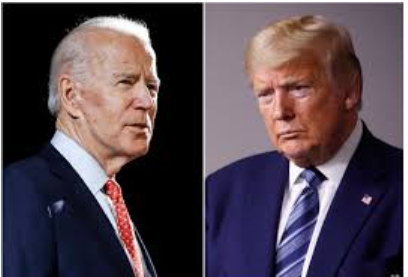
But these nuggets of conventional political wisdom obscure something fundamental—something that even Democrats have trouble seeing: The United States is in revolt against Donald Trump, and the likely Democratic nominee, former Vice President Joe Biden, already holds a daunting lead over Trump in the battleground states that will decide the 2020 election. By way of disclosure, I am a Democratic pollster; for professional and personal reasons alike, I want Democratic candidates to succeed. But no matter what, I also want candidates and party operatives to base decisions—such as where and how to campaign—on an accurate view of the political landscape. At the moment, Democrats are underestimating their own strength and misperceiving the sources of it.

The full article can be found at The Atlantic

Democrats must not draw the wrong lessons from Labour’s defeat

Democrats must not draw the wrong lessons from Labour’s defeat

After the UK Labour party’s humiliating general election defeat, “moderate” Democratic presidential candidates and commentators in the US urged the Democrats to learn the lessons of Brexit and Donald Trump: don’t veer too far-left and make radical promises.

Meanwhile, Steve Bannon, the president’s former adviser, correctly reminded progressives in Britain and the US that “Brexit and Trump were inextricably linked in 2016”. He then provocatively — and incorrectly — added: “They are inextricably linked today.”

Trump backfire: Americans increasingly embrace 'nation of immigrants' history and future

Donald Trump came down the escalator at Trump Tower in June 2015, lamented that Mexico sends us its worst, murderers and rapists. His convention speech featured mothers whose loved ones were murdered by illegal immigrants, and he attacked Hillary Clinton for supporting open borders. Later, according to a new book, he proposed moats, alligators, flesh-piercing spikes and shooting immigrants in the legs as they crossed the border.

He succeeded in raising the importance of immigration as a voting issue and defining difference between the parties. But it hasn’t worked out as planned. In fact, it’s quite the opposite.

Some swing white working-class voters shifted to Trump on immigration in 2016, yet the proportion of voters who wanted to create a pathway to citizenship for illegal immigrants went up overall. Then, as president, Trump tried to implement a Muslim travel ban and repeatedly sought to get funding for a border wall to protect from the Central American caravans. How did America respond?

The Full Version of this Article can be Found at USA Today

The Republican Party Is Doomed.

The Republican Party Is Doomed.

The 2020 election will be transformative like few in our history. It will end with the death of the Republican Party as we know it, leaving the survivors to begin the struggle to renew the party of Lincoln and make it relevant for our times. It will liberate the Democratic Party from the country’s suffocating polarization and allow it to use government to address the vast array of problems facing the nation.

From listening to the waves of fraught criticism that followed each of the Democratic debates so far, you would not think 2020 was such a juncture. Commentators worried that the candidates’ anti-business policies and over-the-top plans for government would drive away moderate voters. They watched the candidates excite the Democratic base at the expense of independent voters whom they believe long for a return to bipartisanship. The commentators were just as befuddled that the Democratic candidates were critical of President Barack Obama, who knew something about “electability.”

Yes, Mr. Obama won in 2012, but he was the first president since Woodrow Wilson to win a second term with fewer Electoral College votes and a smaller winning margin in the popular vote over his closest rival than in his first election. Of course, Mr. Obama was met by a Tea Party revolt that helped push many white working class voters away from the Democratic Party, but his administration’s rescue of the big banks, along with prolonged unemployment and lower or stagnant wages for the whole of his first term, meant that the Democratic base failed to turn out and defend him in election after election. As a result, Mr. Obama presided over the crash of the Democratic Party in 2010 and 2014 that gave the Republican Party control of Congress and total partisan control in just over half of the states.

The elites who mostly live in America’s dynamic metropolitan areas were satisfied with America’s economic progress after the financial crash, but overall it helped make Donald Trump electable. He understood how dissatisfied the country was with the status quo. So rather than asking voters which candidate is more “electable” or who has the best chance of defeating President Trump, we need to ask which leader best understands this tumultuous period. Which candidate has a theory of the case that pushes aside other interpretations and critiques?